


HOHE TAUERN NATIONAL PARK
The alpine natural world of the Hohe Tauern.

At the end of the Gastein Valley begins one of Europe’s most impressive natural landscapes.
The Hohe Tauern National Park. The largest nature reserve in the Alps.
An alpine world full of authenticity.
Characterized by mighty mountains, vast alpine pastures, and pristine nature.
Here, wild high-mountain landscapes meet living mountain farming traditions.
For centuries, alpine pastures, traditional farming, and alpine culture have shaped life in this unique region of the Salzburg province.
Massive glaciers, rugged rock faces, and vast high-mountain spaces form a landscape of extraordinary diversity.
The Hohe Tauern National Park protects this alpine nature and is among the most significant nature reserves in Europe.
Austria’s highest mountain, the Grossglockner, also rises here above the peaks of the Hohe Tauern.
Between glaciers, mountain streams, and pristine mountain landscapes, the power of nature becomes palpable in an impressive way – a place where millions of years of geological history become visible.

Key facts about the Hohe Tauern National Park
The Hohe Tauern National Park is the largest nature reserve in the Alps and one of the most impressive high-mountain ranges in Europe.
The most important data:
\ Area: 1,856 km²
\ Federal states: Salzburg, Tyrol, and Carinthia
\ Over 300 peaks above 3,000 m
\ Austria’s highest mountain: Grossglockner (3,798 m)
\ Approximately 180 km² of glacier area
An alpine natural world of impressive scale – characterized by high mountains, glaciers, and pristine mountain landscapes.


The wildlife of the Hohe Tauern
The Hohe Tauern National Park is a habitat for an impressive variety of alpine wildlife. In the pristine high-mountain landscapes, ibex, chamois, and marmots live, making their homes among rocks, alpine meadows, and mountain forests.
High above the peaks circles the golden eagle, one of Europe’s largest birds of prey. Rare species such as bearded vultures, ptarmigans, and mountain hares also find protected retreats in the national park.
With a little luck, many of these animals can be observed in the wild during hikes in the Gastein Valley and the high mountains of the Hohe Tauern.

The flora of the Hohe Tauern
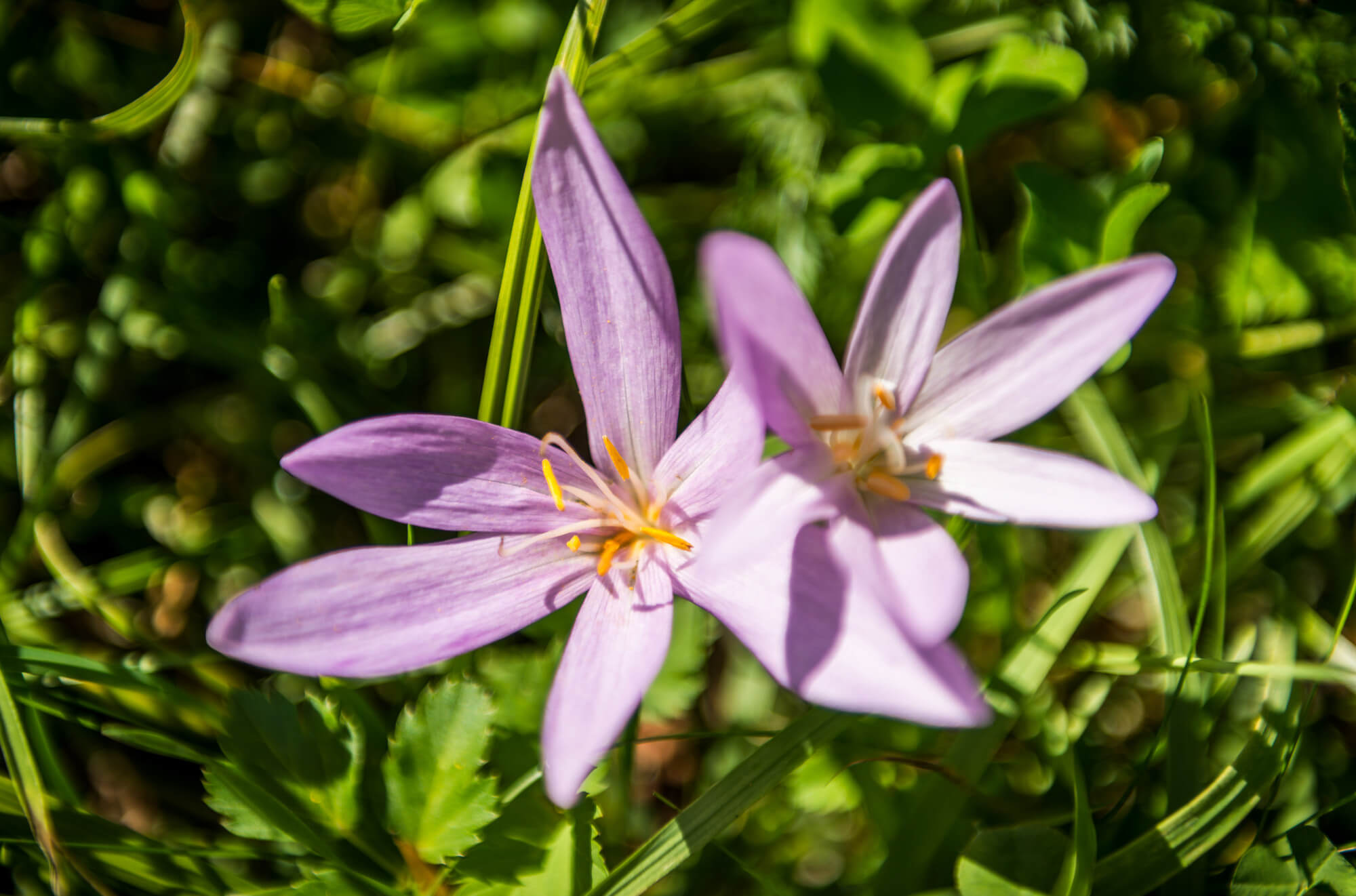
The Hohe Tauern National Park is home to an exceptionally diverse alpine flora. From blooming alpine meadows and alpine grasslands to high-alpine rocky regions, thousands of plant species grow here.
Typical alpine flowers such as edelweiss, gentian, and alpine rose characterize the mountain landscape around the Gastein Valley in summer. In higher elevations, particularly resilient plants have adapted to the harsh conditions of the high mountains.
This unique plant world of the Hohe Tauern makes the national park one of the most important habitats for alpine flora in Europe.